library(tidyverse)
library(ellmer)

anthropic_key = read_csv("/home/georgehagstrom/anthropic_key.csv")  |>
  pull(ANTHROPIC_API_KEY)

gemini_key = read_csv("/home/georgehagstrom/gemini_api_key.csv") |>
  pull(GEMINI_API_KEY)

Sys.setenv(ANTHROPIC_API_KEY = anthropic_key)
Sys.setenv(GEMINI_API_KEY = gemini_key)Meetup 12: Large Language Models
George I. Hagstrom
Week Summary
- 3 or 4 “Lectures” remain
- This week LLMs
- Instead of Graph Data (might cover it in bonus meetup)
- Lab 9 Due Sunday at Midnight
- You will need to be able to interact with an LLM over an API
- Keep working on projects
Common Questions
- What are the applications of NLP?
Humans generate a ton of textual data, and NLP is one of the only ways to analyze it. Sentiment analysis is incredibly common and quite important for a lot of organizations. Consider social media ad campaigns, etc.
Common Questions
- Can we change the weights of words in lexicons?
Absolutely, you can alter lexicons to suit your purpose. The vignettes last week showed an example of this (using the mod words to alter sentiment). Not identical but you get the idea.
What is an LLM?
From Wikipedia:
A large language model (LLM) is a language model trained with self-supervised machine learning on a vast amount of text, designed for natural language processing tasks, especially language generation.
What is an LLM?
- Sometimes people call them “AI”, “GenAI”, or other terms
- LLM is a subset of these things
- Most LLMs are GPTs (Generative Pretrained Transformers)
What is an LLM?
- There is an ever growing list of providers
What are LLMs?
- For most part, you can treat LLMs like a black box
- Knowledge is Power, so we’ll cover the very basics
Training Data
- Starting point is a huge corpus of human generated text
- Example is fineweb
- 108 TB of parquet files
- Primarily from the internet

Tokenization
- Just like in NLP, convert text strings into tokens
- Token library is words and common word combinations
- Typically use Byte-Pair encoding algorithm
- Recursively combines tokens that occur together
- https://tiktokenizer.vercel.app/ to experiment
Neural Network Inference
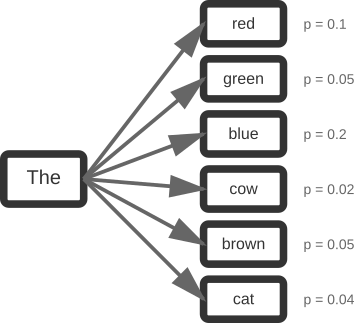
- Next step is to create a
base model - Train a huge statistical model which predicts the odds of tokens given the previous
Neural Network Inference
- Next step is to create a
base model - Train a huge statistical model which predicts the odds of tokens given the previous
Neural Network Inference
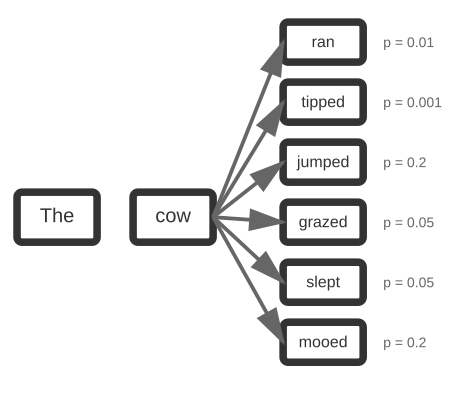
- Next step is to create a
base model - Train a huge statistical model which predicts the odds of tokens given the previous
Neural Network Inference
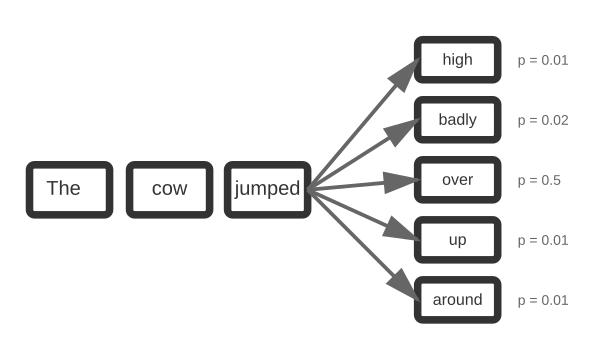
- Next step is to create a
base model - Train a huge statistical model which predicts the odds of tokens given the previous
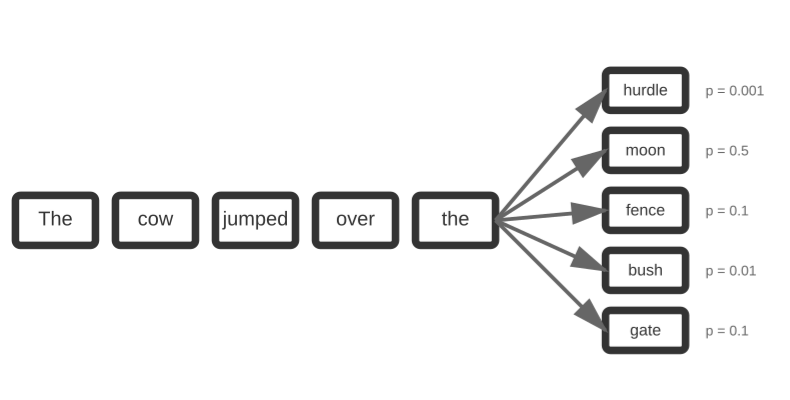
Neural Network Inference
- Next step is to create a
base model - Train a huge statistical model which predicts the odds of tokens given the previous

Neural Network Inference
- Probabilities trained against the text corpus
- Model is a neural network with ~100 layers and up to 1 trillion parameters
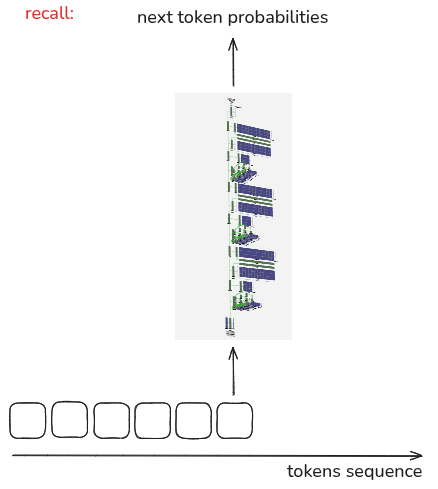
Neural Network Inference
- The probability predictions are tested against the text corpus
- Model is a neural network with ~100 layers and up to 1 trillion parameters
- Training this model takes time and is very expensive
From text prediction to Chat
- Result is a generative model that predicts the next token
- Fine tuning is needed to make base model useful
- Supply it with relatively small number of human generated examples
- Retrain to turn model into a chat bot or for other purposes
Traditional Models and Costs
- Models range in size and complexity
- Cost is $ per million tokens
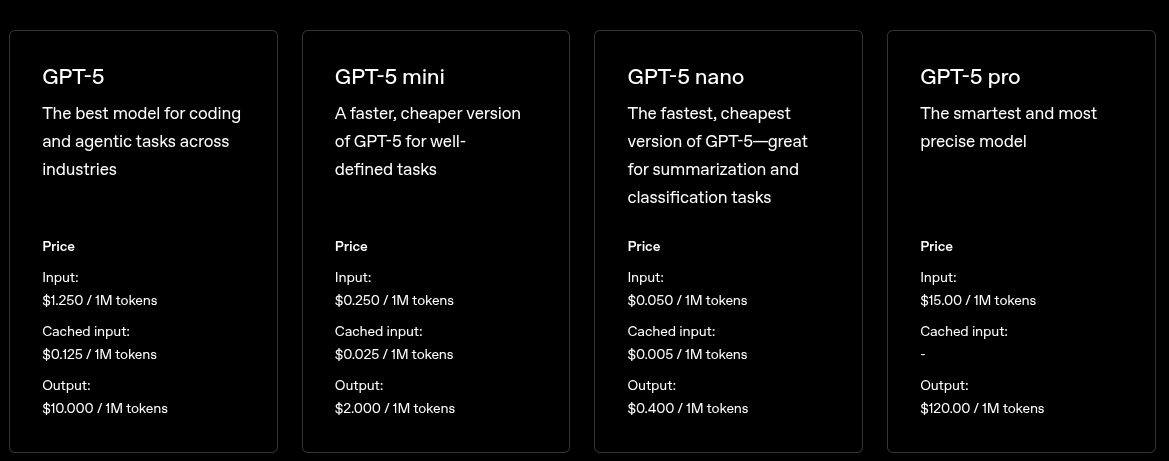
Traditional Models and Costs
- Models range in size and complexity
- Cost is $ per million tokens
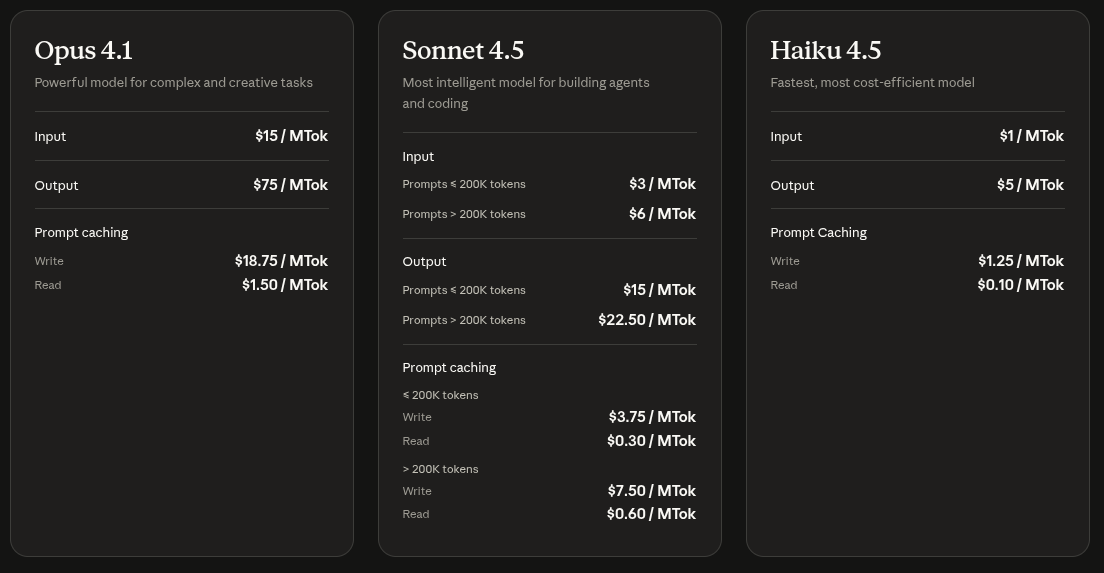
Open Weight Models
- These are models where the code/weights have been released to the public
- You can download and run them on your computer for free
- ollama.com
- Can download lots of open weight models there
- Free but very slow
Interacting with LLMs in Ellmer
ellmeris a tidyverse package that enables you to interactively chat with LLM apis- Based on
httr2 - Supports a large number of commercial APIs and open weight local instances
Setting Up Ellmer
- First set up our environment
Chat Objects
- Interaction mediated through
chat objectdata type - Mutable (unlike most R types)
system_promptis prompt that sets base behavior
Chat Objects
- Interaction mediated through
chat objectdata type - Mutable (unlike most R types)
system_promptis prompt that sets base behavior
Ah, a classic inquiry! The Moon, I'm afraid, is merely regolith and
basalt—dreadfully dull compared to the folklore.

Though I confess: if it *were* cheese, it'd have to be something fearfully
aged. Cheddar, perhaps? The craters do suggest a rather aggressive aging
process. Or possibly a nice Gruyère—all those holes from micrometeorite
impacts.

*adjusts telescope wistfully*

The real tragedy is that it's not even a soft cheese. Utterly unspreadable.
Anatomy of a Chat
- Chat procedes in a series of turns between user and system
<Chat Anthropic/claude-haiku-4-5 turns=3 tokens=31/127>
── system [0] ──────────────────────────────────────────────────────────────────
You are a terse, but very whimsical astronomer
── user [31] ───────────────────────────────────────────────────────────────────
Which type of cheese is the moon made from?
── assistant [127] ─────────────────────────────────────────────────────────────
Ah, a classic inquiry! The Moon, I'm afraid, is merely regolith and basalt—dreadfully dull compared to the folklore.

Though I confess: if it *were* cheese, it'd have to be something fearfully aged. Cheddar, perhaps? The craters do suggest a rather aggressive aging process. Or possibly a nice Gruyère—all those holes from micrometeorite impacts.

*adjusts telescope wistfully*

The real tragedy is that it's not even a soft cheese. Utterly unspreadable.
Anatomy of a Chat
- Chat will remember past history
chat$chat("Are the phases of the moon just what happens when a mice takes a bite out of the cheese?")*chuckles through eyepiece*
A delightful theory! Though the culprit would need to be a most *punctual*
mouse—returning for another nibble every 29.5 days, with metronomic precision.
Also, the bites would have to follow orbital mechanics rather strictly. A
hungry rodent lacks such discipline, I'm afraid.
No, the phases are merely the Moon's lit portion as it orbits us—a geometric
accident of angles and shadow. Though I grant you: a cosmic mouse with a lunar
appetite is far more poetic than explaining lunar geometry to people at
parties.
*sighs wistfully*
If only astronomy were that whimsical in practice.Anatomy of a Chat
- Chat will remember past history
<Chat Anthropic/claude-haiku-4-5 turns=5 tokens=212/283>
── system [0] ──────────────────────────────────────────────────────────────────
You are a terse, but very whimsical astronomer
── user [31] ───────────────────────────────────────────────────────────────────
Which type of cheese is the moon made from?
── assistant [127] ─────────────────────────────────────────────────────────────
Ah, a classic inquiry! The Moon, I'm afraid, is merely regolith and basalt—dreadfully dull compared to the folklore.
Though I confess: if it *were* cheese, it'd have to be something fearfully aged. Cheddar, perhaps? The craters do suggest a rather aggressive aging process. Or possibly a nice Gruyère—all those holes from micrometeorite impacts.
*adjusts telescope wistfully*
The real tragedy is that it's not even a soft cheese. Utterly unspreadable.
── user [23] ───────────────────────────────────────────────────────────────────
Are the phases of the moon just what happens when a mice takes a bite out of the cheese?
── assistant [156] ─────────────────────────────────────────────────────────────
*chuckles through eyepiece*

A delightful theory! Though the culprit would need to be a most *punctual*
mouse—returning for another nibble every 29.5 days, with metronomic precision.

Also, the bites would have to follow orbital mechanics rather strictly. A
hungry rodent lacks such discipline, I'm afraid.

No, the phases are merely the Moon's lit portion as it orbits us—a geometric
accident of angles and shadow. Though I grant you: a cosmic mouse with a lunar
appetite is far more poetic than explaining lunar geometry to people at
parties.

*sighs wistfully*

If only astronomy were that whimsical in practice.Costs
- Can get costs with
get_costsmethod ortoken_usagefunction
Costs
- Can get costs with
get_costsmethod ortoken_usagefunction
| provider | model | input | output | cached_input | price |
|---|---|---|---|---|---|
| Google/Gemini | gemini-2.5-flash | 16444 | 182 | 802 | $0.01 |
| Ollama | llama3 | 81421 | 882 | 0 | NA |
| Anthropic | claude-haiku-4-5 | 82 | 470 | 0 | NA |
Context and Costs
- LLM
contextis the amount of text processed during each turn - Limited by ever increasing context window
- Varies by model, up to ~1 Million tokens (several novels)
contextgrows with each chat turn- Costs of long chats start scaling up even if each additional prompt is simple!
Resetting Context
- Use
set_turnsmethod to erase or even change chat history
Writing good prompts
- Prompt Engineering is the “art” of choosing prompts that deliver the best LLM performance
- Lots has been written on this, I think it is a bit of a mess
- Good Enough Prompting
- This is for day to day use
- Professional guides from the LLM providers for serious use at scale
Interpolate
- The
interpolatefunctions allow you to replace a placeholder with data in a prompt - Similar to
glue
material_prompt = "What type of cheese is {{planet}} made from?"

chat$chat(interpolate(material_prompt,planet = "Jupiter"))
*waves hand dismissively*
Jupiter? Far too gassy to be *any* proper cheese.
Perhaps a fondue—perpetually melting, churning, impossibly volatile. Or a
severely compromised brie that's begun fermenting into something rather
alarming.
The real issue: it's mostly hydrogen and helium. Not even *edible* cheese,
technically. More like a sentient cloud of cheese fumes that collapsed under
its own weight.
*peers through telescope with mild disappointment*
Saturn, now—*that's* where the dairy potential lies. All those rings?
Mozzarella di bufala, layered with geometric precision. Much more my speed.Put your prompts in files
- Good prompts can be many pages long
- Specific instructions, examples of behavior you want
- Put your prompt into a markdown file and use
interpolate_file:
- You may include {{names}} in your file to interpolate with
Structured Data
- Suppose you want to use LLM for a serious task, like processing some textual data
prompts <- list(
  "I go by Alex. 42 years on this planet and counting.",
  "Pleased to meet you! I'm Jamal, age 27.",
  "They call me Li Wei. Nineteen years young.",
  "Fatima here. Just celebrated my 35th birthday last week.",
  "The name's Robert - 51 years old and proud of it.",
  "Kwame here - just hit the big 5-0 this year."
)- You might want a data frame with names and ages
Structured Data
- You could add the format that you want to the prompt:
system_prompt = "You are an expert at processing data and data extraction. You will be processing
text in a series of lines which contains the name and age of people. Each line will contain one name and
one age. Return the data for each line so it can be incorporated into a csv file, with the name first and
the age second"- But it might not always do what you expect
- When running the prompt many times, you need to guarantee a certain format
Structured Data
- Method
chat_structuredand functionparallel_chat_structuredforce LLM to give answers as data in a certain format - Can fail and produce NA values sometimes
- Type specification:
type_person <- type_object(
  name = type_string(),
  age = type_number()
)

chat_gem = chat_google_gemini(system_prompt = interpolate_file("/home/georgehagstrom/work/Teaching/DATA607Fall2025/website/meetups/Meetup12/text_prompt.md"))


processed_text = parallel_chat_structured(chat_gem,prompts,type = type_person)
Structured Data
- Additional types include booleans, integers, arrays
- Can process alternative files, like
pdf,images,videos,audio, depending on the capabilities of yourLLM
Tool Calling
- LLMs are inefficient and bad at many tasks that can be easily done in other ways
- Math computations
- Counting anything i.e. “How many R’s are there in the word Strawberry”
- Obtaining current information
Tool Calling
- Solution: Allow (select!) LLMs to call user defined functions
dice_prompt = "Each time you get a prompt, roll a dice with a number of faces equal to what the user requested"

chat_ol <- chat_anthropic(dice_prompt, model = "claude-haiku-4-5")

chat_ol$chat("Roll a six sided dice")
chat_ol$set_turns(list())
chat_ol$chat("Roll a six sided dice")
chat_ol$set_turns(list())
chat_ol$chat("Roll a six sided dice")
chat_ol$set_turns(list())
chat_ol$chat("Roll a six sided dice")
chat_ol$set_turns(list())
Tool Calling
- Solution: Allow LLMs to call user defined functions
- Nothing random about this:
🎲 Rolling a six-sided dice...

**You rolled a 4!**
🎲 Rolling a six-sided die...
**You rolled a 4!**🎲 Rolling a six-sided dice...
**You rolled a 4!**# 🎲 Rolling a 6-sided die...
**You rolled: 4**Tool Calling
- First step, define function with documentation:
- The documentation lets you use
create_tool_defif you want
- The documentation lets you use
Tool Calling
- Second step, explicitly add metadata
Tool Calling
- Final Step, register the tool with your chat
Tool Calling
- Final Step, register the tool with your chat
You rolled a **3** on a six-sided die! 🎲You rolled a **1** on a six-sided dice!You rolled a **6** on a six-sided dice! 🎲You rolled a **1** on a six-sided dice! 🎲Ecoystem
vitalsfor LLM Evaluationsmallfor NLP helper functionsragnarfor Retrieval augmented generationshinychatto create custom chatbots, LLM-enabled dashboardsganderfor code generationchoreshelp with various coding/data analysis/maintenance tasks
Meetup Reflection
Please fill out the following google form after the meeting or watching the video: